SLEEKCARE
Candela Nordlys IPL Photofacial
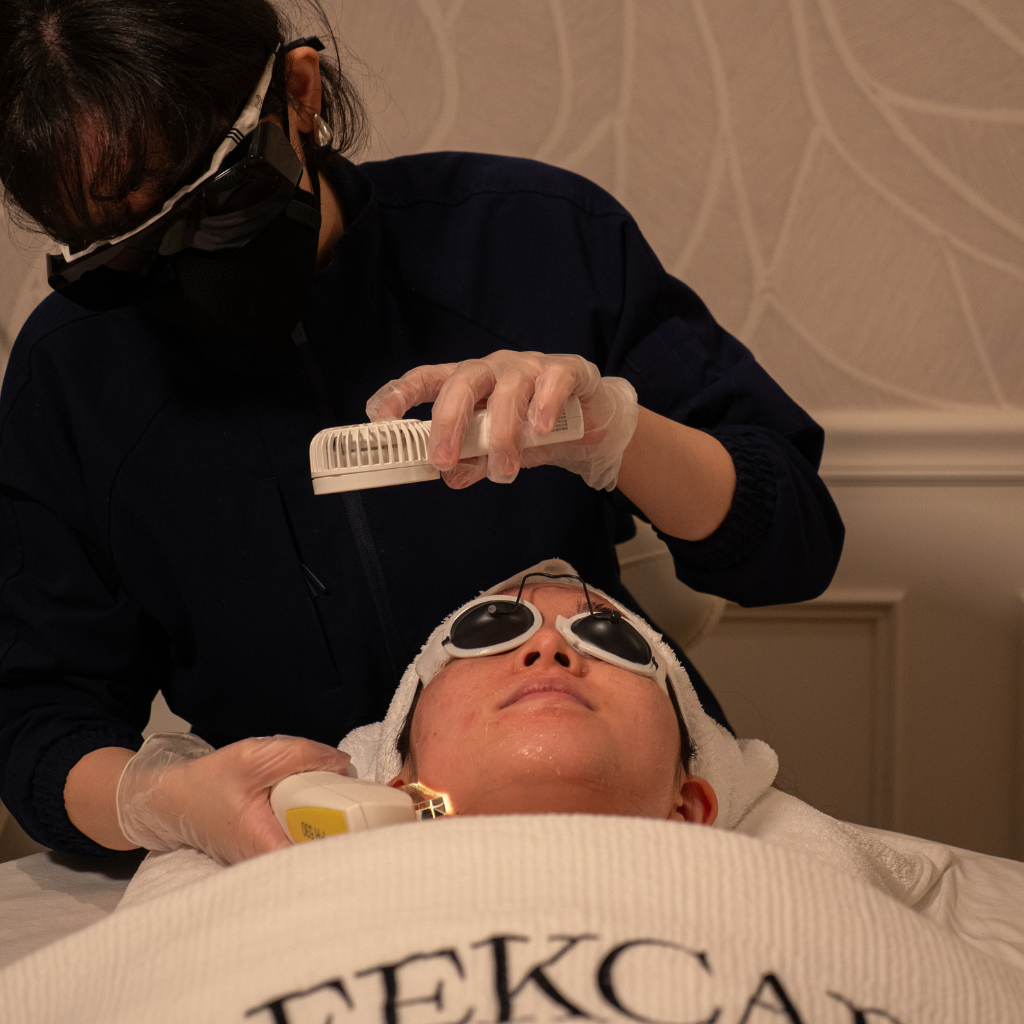
The Candela Nordlys IPL Photofacial is a non-invasive treatment that uses intense pulsed light to target and reduce pigmentation, sun damage, redness, and uneven skin tone. The result is more even skin tone, fewer visible spots, and a brighter overall complexion.
Who is the best candidate for IPL?
IPL is an excellent option if you're dealing with sun damage, age spots, uneven skin tone, redness, rosacea, or broken capillaries — especially if you have a lighter-to-medium skin tone and want visible results with minimal downtime.
Is IPL safe for my skin tone?
IPL is most safe and effective for lighter skin tones (Fitzpatrick I–III) and can be used with caution on medium skin tones (Fitzpatrick IV). For darker skin tones (Fitzpatrick V–VI), IPL is generally not recommended because the broad-spectrum light cannot distinguish between unwanted pigmentation and natural melanin, which increases the risk of burns, hyperpigmentation, or hypopigmentation.

Before & After
Active Acne and Breakouts
Before: Active acne and inflamed breakouts across the cheeks with uneven texture.
After (3 IPL sessions): Clear, smooth skin with significantly reduced breakouts and refined texture.
Before & After
Pigmentation
Visible reduction in sun spots, freckles, and uneven pigmentation — brighter, more even tone with skin's natural character preserved.
Before & After
Rosacea & Broken Capillaries
A series of IPL sessions targeted facial redness and visible broken capillaries associated with rosacea. The result: significantly reduced flushing, softer overall tone, and less visible vascular activity.
How it works
-
Precision Target
Selective wavebands of light travel into the skin and seek out pigmented spots and vascular concerns like sun damage, age spots, and redness.
-
Pigment Breakdown
The targeted light energy is absorbed by melanin and hemoglobin, breaking down unwanted pigment and visible vessels without harming the surrounding skin.
-
Reveal Clearer Skin
Over the following days, the broken-down pigment rises to the surface, flakes away, and reveals more even, radiant skin underneath.
Dos & Don'ts: Before & After Your IPL Treatment
-
Before Your Treatment
✅ Wear SPF 30+ daily for at least 2 weeks prior
✅ Arrive with clean, bare skin — no makeup or actives
✅ Stay well-hydrated in the 48 hours leading up to your session
✅ Shave the treatment area the day before (do not wax)
✅ Let us know about any medications, especially retinoids, antibiotics, or photosensitizing drugs
✅ Tell us about any recent injectables, peels, or facial treatments🚫 No sun exposure, tanning beds, or self-tanner for 2–4 weeks
🚫 No retinoids, AHAs, BHAs, or vitamin C for 5–7 days before
🚫 No waxing, threading, plucking, or depilatory creams for 2 weeks
🚫 No chemical peels, microneedling, or laser treatments for 2 weeks
🚫 No IPL if you've taken Accutane (isotretinoin) in the past 6 months
🚫 No IPL if you are pregnant or breastfeeding
🚫 No IPL on active sunburn, open wounds, or active skin infections
🚫 No alcohol or intense workouts the day of your appointment -
After Your Treatment
✅ Apply SPF 30+ every single day, no exceptions
✅ Use only gentle, hydrating products for 48 hours
✅ Apply cool compresses if your skin feels warm
✅ Drink plenty of water to support skin recovery
✅ Sleep on a clean pillowcase for the first few nights
✅ Let darkened spots flake away naturally — this means it's working
✅ Reach out to us right away if anything looks unusual🚫 No picking, scrubbing, or scratching darkened spots
🚫 No direct sun exposure for at least 2 weeks
🚫 No retinoids, AHAs, BHAs, or vitamin C for 48 hours
🚫 No hot showers, saunas, steam rooms, or hot tubs for 48 hours
🚫 No intense workouts or sweating for 24 hours
🚫 No makeup for 24 hours
🚫 No swimming in chlorine or salt water for 48 hours
🚫 No direct ice on the skin (cool compresses only)
Q&A
Frequently Asked Questions
What is IPL and how does it work?
IPL, or Intense Pulsed Light, is a non-invasive treatment that uses broad-spectrum light to target pigmented and vascular concerns in the skin. The light is absorbed by melanin (responsible for sun spots, freckles, and pigmentation) and hemoglobin (responsible for redness and broken capillaries), breaking them down so the body can naturally clear them over the following days and weeks. The result is more even skin tone, fewer visible spots, and a brighter overall complexion. Because IPL uses a range of wavelengths in each pulse rather than a single focused beam, it's particularly effective for overall skin tone correction.
Is IPL right for me?
IPL is an excellent option if you're dealing with sun damage, age spots, uneven skin tone, redness, rosacea, or broken capillaries — especially if you have a lighter-to-medium skin tone and want visible results with minimal downtime. It's often the ideal entry point into advanced treatments for clients who want more than a facial can deliver but aren't ready for the downtime of deeper resurfacing. The best way to know for sure is a consultation, where we'll assess your skin, discuss your goals, and recommend the right approach — including whether another treatment might serve you better.
Does IPL hurt?
IPL is one of the more tolerable light-based treatments. Most clients describe the sensation as a quick snap or warm rubber band against the skin — brief, manageable, and usually requiring no numbing. Areas with more pigmentation may feel slightly more intense because the light is being absorbed more strongly. We'll adjust settings based on your tolerance and communicate throughout the session to keep you comfortable.
Is IPL safe for my skin tone?
IPL is most safe and effective for lighter skin tones (Fitzpatrick I–III) and can be used with caution on medium skin tones (Fitzpatrick IV). For darker skin tones (Fitzpatrick V–VI), IPL is generally not recommended because the broad-spectrum light cannot distinguish between unwanted pigmentation and natural melanin, which increases the risk of burns, hyperpigmentation, or hypopigmentation. If you have a deeper skin tone, we'll recommend alternative treatments like microneedling or specific laser technologies that are safer and equally effective for your concerns.
How many sessions will I need?
Most clients see optimal results from a series of three to six sessions, spaced approximately four weeks apart. Isolated sun spots may clear in one or two sessions, while diffuse pigmentation, redness, or rosacea typically requires the full series. Maintenance sessions every six to twelve months help preserve results, especially with consistent sun exposure. We'll create a personalized plan during your consultation.
When will I see results?
Initial results are visible within one to two weeks, as pigmented spots darken, flake off, and redness begins to calm. Many clients see meaningful improvement after a single session, particularly for sun spots and age spots. For more comprehensive results — especially for diffuse pigmentation, rosacea, or deeper concerns — a series of three to five sessions spaced four weeks apart typically produces the best outcome.
How much downtime is there?
Minimal. Skin may appear slightly pink or warm for a few hours after treatment, similar to a light sunburn. Pigmented spots will typically darken significantly over the first 24 to 48 hours (looking like coffee grounds on the skin) before flaking off naturally over the following three to seven days. This darkening is a sign the treatment is working. Most clients return to normal activities immediately, and makeup can be applied the next day.
What skin concerns does IPL treat?
IPL is most effective for pigmentation and vascular concerns, including sun spots, age spots, freckles, melasma (in some cases), uneven skin tone, redness, rosacea, flushing, and broken capillaries. It also delivers a general photo-rejuvenation effect, improving overall skin clarity and radiance. IPL is not typically used for deep wrinkles, textural concerns like acne scarring, or enlarged pores — for those, laser or microneedling are better-suited options.
How is IPL different from laser?
Both use light energy, but they work differently.
Laser delivers a single, focused wavelength designed for a specific concern — making it more precise and often more effective for deeper pigmentation or resurfacing.
IPL uses broad-spectrum light covering a range of wavelengths in each pulse, making it better suited for overall tone correction and addressing multiple concerns (pigmentation and redness together) in one treatment. Laser tends to be more intense with more downtime; IPL is gentler with minimal recovery. Many clients benefit from both, used strategically for different concerns.
Can IPL help with rosacea and facial redness?
Yes — this is one of IPL's most well-established uses. The light targets the hemoglobin in visible blood vessels beneath the skin, reducing redness, flushing, and broken capillaries over a series of sessions. Many clients with rosacea or chronic redness see significant improvement after three to five treatments. IPL doesn't cure rosacea, but it substantially reduces its visible appearance and can make flare-ups less pronounced.
Why do my spots look darker right after treatment?
This is expected and actually a sign the treatment is working. When IPL targets pigmented spots, the melanin absorbs the light energy and rises to the surface of the skin, causing the spots to darken temporarily — often looking like coffee grounds or dark specks. Over the next three to seven days, these darkened spots will flake off naturally, leaving clearer, more even skin underneath. Don't pick at them; let them shed on their own.
How should I prepare for my IPL appointment?
Sun protection is critical. Avoid sun exposure, tanning beds, and self-tanner for at least two weeks before treatment — treating tanned or sunburned skin significantly increases the risk of burns and pigmentation issues. Discontinue retinoids and exfoliating acids five to seven days prior. Skip waxing, chemical peels, and other resurfacing treatments in the area for two weeks. Arrive with clean, product-free skin, and let us know about any medications (especially photosensitizing ones like certain antibiotics, acne medications, or supplements) or recent injectables.
What should I do after IPL?
Treat your skin gently for the first few days. Avoid sun exposure, hot showers, saunas, intense workouts, and active skincare ingredients (retinol, vitamin C, acids) for at least 48 hours. Don't pick at or scrub darkened spots — they'll flake off naturally within a week. Use a gentle cleanser, moisturizer, and most importantly, SPF 30 or higher every single day. Unprotected sun exposure after IPL can cause new pigmentation to form, undoing your results. We'll send you home with detailed aftercare guidance.
Can IPL be combined with other treatments?
Yes, strategically. Many clients alternate IPL with Laser resurfacing treatment across a treatment plan to address both pigmentation (IPL) and texture (Laser). HydraFacials are a great companion between IPL sessions to maintain hydration and glow without interfering with the healing process. Your esthetician will sequence everything for maximum benefit without overloading your skin.
Can IPL treat melasma?
IPL can sometimes improve melasma, but it must be approached with caution. Melasma is a hormonal pigmentation condition that can worsen with heat and light-based treatments if done incorrectly. During your consultation, we'll assess whether IPL is appropriate for your specific type of melasma or whether a gentler, combination approach would serve you better. Melasma typically requires ongoing management rather than a one-time fix.
Can I get IPL while pregnant or breastfeeding?
We don't perform IPL during pregnancy. While there's no definitive evidence of harm, the clinical data is limited and we err on the side of caution — especially since pregnancy-related hormonal changes can affect pigmentation unpredictably. IPL is typically postponed until after breastfeeding as well. HydraFacials and gentler treatments are a great alternative during this period.
Still not sure IPL is right for you?
Schedule a complimentary consultation with our expert providers to discuss your needs.